The Unique Ecosystem of Redwood Forests Every RV Traveler Should Know
Parking your rig beneath a canopy that stretches over 300 feet into the air is a humbling experience. For many adventurers, a trip to the California coast is a pilgrimage to see the Sequoia sempervirens—the Coast Redwoods. However, to truly appreciate these ancient giants, you have to look beyond the trunks. The redwood forest is a complex, self-sustaining world that relies on a delicate balance of fog, soil, and fire.
Whether you are a seasoned naturalist or a family on their first big road trip, understanding this redwood forest ecosystem guide will transform your forest strolls into an immersive educational adventure.
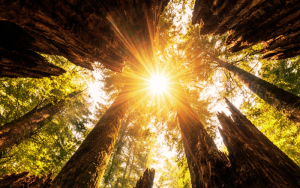
The Fog Drinkers: How Redwoods Survive
The most fascinating aspect of the redwood ecosystem is its relationship with the Pacific Ocean. Unlike many forests that rely solely on rainfall, redwoods are “fog drinkers.”
During the dry summer months, thick coastal fog rolls through the mountains. The redwood needles act as giant combs, catching the moisture. This water then drips down to the forest floor—a phenomenon known as “fog drip”—providing the trees with up to 40% of their annual water intake. When you explore Santa Cruz redwood RV stays, you are witnessing a hydrologic cycle that has remained largely unchanged for twenty million years.
Life in the “Sky Islands”
While we mostly experience the forest from the ground, a huge portion of the ecosystem exists hundreds of feet above our heads. Scientists have discovered that the upper canopy of a redwood forest functions like a “sky island.”
-
Fern Mats: Over centuries, dust and needles collect on massive redwood branches, eventually creating soil. In this soil, entire gardens of ferns and huckleberries grow high above the ground.
-
Unique Inhabitants: These canopy gardens provide homes for the Wandering Salamander, which can spend its entire life in the treetops without ever touching the forest floor.
-
The Marbled Murrelet: This rare seabird actually nests in the mossy branches of old-growth redwoods, linking the deep forest directly to the ocean.
The Secret Social Network Underground
While the heights of these trees are impressive, their roots are equally surprising. A redwood tree’s roots rarely go deeper than six to twelve feet. Instead, they spread out horizontally, sometimes up to 100 feet from the trunk.
These roots intertwine with the roots of neighboring redwoods, literally holding each other up. This “social network” allows them to withstand heavy winter storms and high winds. It’s a great lesson for travelers: even the strongest giants rely on their community to stay standing. When staying at family-friendly full hookup RV sites, you are parked right on top of this incredible, interconnected foundation.
Fire: A Tool for New Life
It might seem counterintuitive, but fire is a vital part of a healthy redwood forest. Coast Redwoods have evolved with thick, tannin-rich bark that is incredibly resistant to fire and pests.
Periodic, low-intensity fires clear out “fuel” on the forest floor, such as dead branches and invasive brush. This returns nutrients to the soil and clears space for redwood seeds to reach the mineral-rich earth. If you see a “goose pen”—a hollowed-out cavern at the base of a living tree—you are looking at the scars of a past fire that the tree successfully survived.
Respecting the Giants: RV Traveler Etiquette
Because the redwood root system is so shallow, it is incredibly sensitive to “soil compaction.” When thousands of people walk directly over the roots, the soil becomes packed down, making it harder for the tree to breathe and absorb water.
-
Stay on the Path: Always use designated boardwalks and trails to protect the root zones.
-
Leave No Trace: Redwoods thrive on their own decaying needles (duff). Removing plants or disturbing the forest floor can interrupt the nutrient cycle.
-
Keep it Quiet: Sound travels differently in these dense forests. Maintaining a quiet site helps preserve the “cathedral” atmosphere that makes these groves so special.
Understanding the complexity of the redwood forest makes every hike feel like a visit to a living museum. Next time you look up, remember that you aren’t just looking at a tree—you’re looking at a masterpiece of natural engineering.